



We are delighted to announce that Wakefield Acoustics has been acquired by the leading environmentally focused, diversified industrial company, CECO Environmental.
The addition of Wakefield to CECO’s Thermal Acoustics business platform advances CECO’s leadership position within the industrial silencing and noise attenuation segment by adding a range of solutions and access to new geographic markets and industrial segments. The whole team, led by MD Kevin Still are excited to start the next chapter in a business founded over 40 years ago with an unparalleled track record in Industrial Noise Control.
If you have any questions regarding the above, please get in touch: noise@wakefieldacoustics.co.uk

Get In Touch
Engineering excellence in designing, manufacturing and installing industrial, commercial and environmental noise control products and systems.
Industrial noise is an inevitable byproduct of many manufacturing and production processes. From the hum of machinery to the clatter of tools, these sounds can disrupt not only workers’ concentration but also their health and safety. Managing industrial noise is crucial for maintaining a safe and productive work environment, as well as for adhering to the Control of Noise at Work Regulations. In this blog post, we will dive into the various ways industrial noise can be controlled effectively, from engineering solutions to innovative noise control technologies.
What Is Industrial Noise and Why Does It Matter?
Industrial noise refers to any unwanted sound generated within an industrial environment that can be harmful or disruptive. Common sources include machinery, motors, pumps, fans, conveyor belts, and production or processing equipment. In many industries, noise levels can reach dangerous thresholds, affecting workers’ hearing and contributing to stress, fatigue, and reduced productivity.
Furthermore, industrial noise can have a detrimental impact on the surrounding community, leading to noise pollution that disrupts local residents. This has led to increasingly strict regulations governing noise levels, and non-compliance can result in fines, legal action, and even forced closures. Understanding noise regulations and staying compliant is crucial for any industrial operation.
The Impact of Industrial Noise
Uncontrolled industrial noise presents a variety of risks, both for workers and the surrounding environment. Some of the most significant concerns include:
- Health and Safety: Prolonged exposure to high levels of industrial noise can lead to permanent hearing damage, stress, sleep disruption, and even cardiovascular issues.
- Environmental Impact: Excessive noise can disturb local wildlife and communities, leading to complaints and environmental concerns.
- Legal Compliance: Many industries are required by law to control the noise emitted from their operations. Failure to comply with noise regulations can result in heavy fines and legal ramifications, not to mention harm to a company’s reputation.
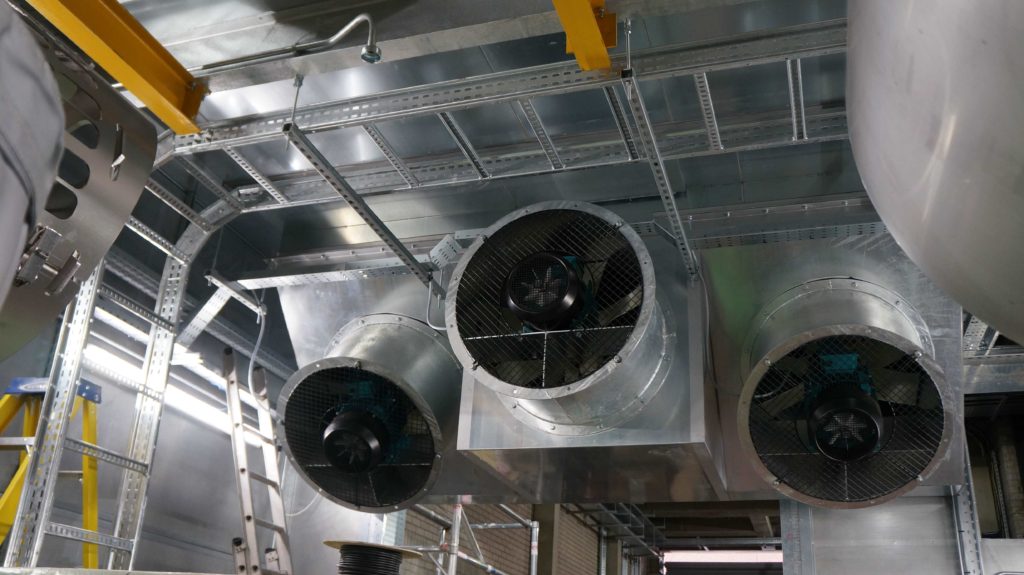
How Can Industrial Noise Be Controlled?
There are several ways to manage and reduce industrial noise effectively. The key is to approach the problem with a mix of strategies, focusing on both the noise source and the environment in which it occurs.
1. Engineering Controls
Engineering controls focus on modifying equipment and structures to reduce noise at its source. These solutions are typically the most effective and permanent ways to control industrial noise.
- Acoustic Enclosures: One of the most effective ways to control noise is by isolating noisy machinery or areas. Acoustic enclosures are built around equipment to reduce noise at source, preventing it from affecting the surrounding environment. These can be constructed from materials that are specifically designed to absorb sound and provide sound transmission reduction.
- Acoustic Blankets: Another effective method to reduce noise is by using acoustic blankets. These blankets are designed to absorb sound and can be used to cover or be placed around noisy equipment. Acoustic blankets help to dampen noise and reduce its spread within the workplace, providing a cost-effective and flexible solution.
- Noise Havens: In certain circumstances it is not always feasible to treat the noise at source, particularly in environments where there are multiple noise sources contributing to the overall exposure experienced by operators. In such cases, noise havens can be installed which are designed to offer respite for operators in noisy environments by providing a safe, quieter space to work.
2. Administrative Controls
Administrative controls involve altering work processes or schedules to reduce workers’ exposure to high noise levels.
- Job Rotation: In noisy environments, workers can be rotated between tasks to limit the time they spend in areas with high noise levels. This ensures they are not constantly exposed to harmful noise, reducing the risk of hearing damage.
- Work Schedule Adjustments: Shifting noisy tasks to certain times of the day can also help reduce exposure. For example, performing particularly loud processes during hours when fewer workers are around can minimise risk.
3. Maintenance and Upkeep
Noise often results from machinery or equipment that is not properly maintained. Regular maintenance can help reduce noise caused by worn-out components or misaligned machinery. Ensuring that equipment is well-lubricated, properly calibrated, and regularly inspected will help minimise excessive noise production.
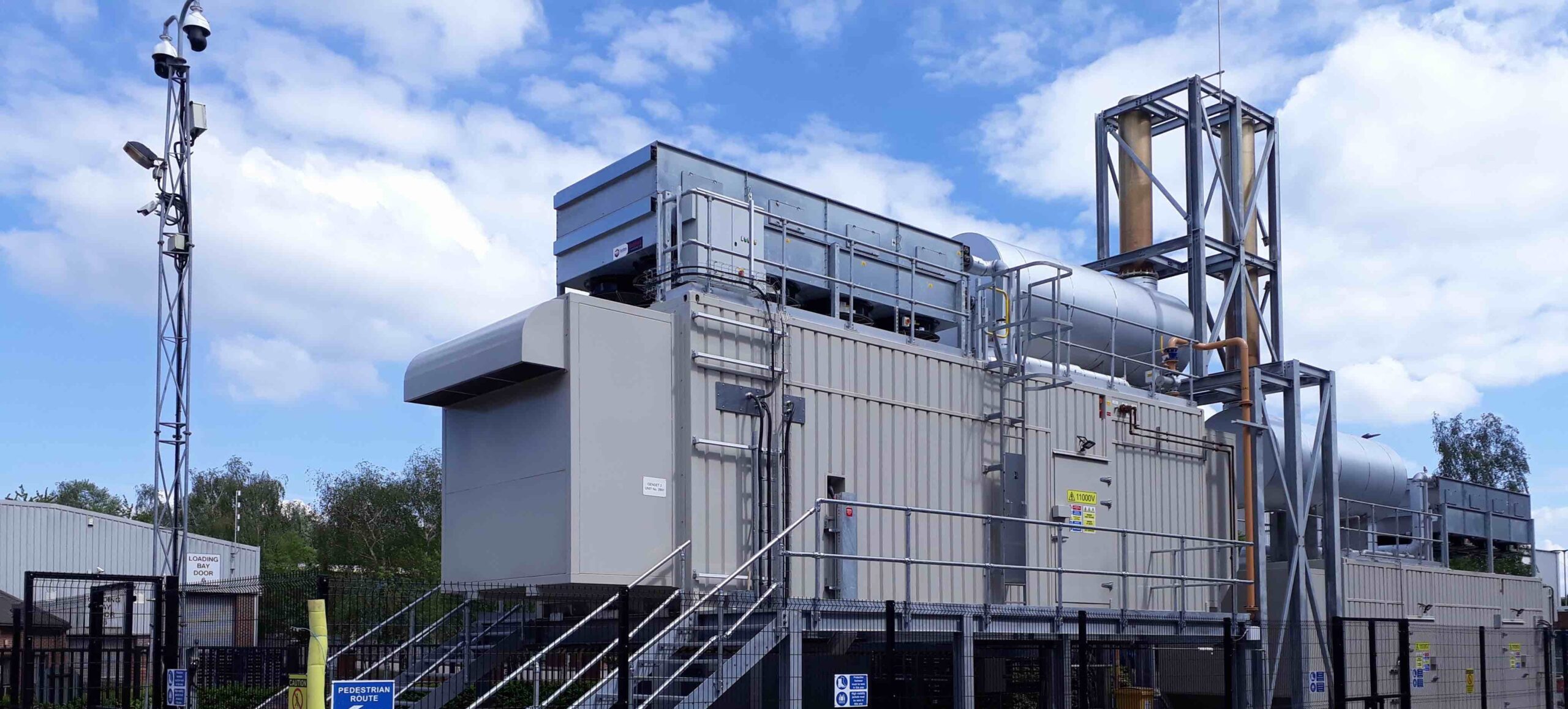
Innovations in Noise Control Technologies
The industrial sector is continuously evolving, and so are the technologies used to control noise. At Wakefield Acoustics, we believe that true innovation lies not just in developing new products, but in applying existing technologies in unique ways to solve specific noise challenges.
While the core principles of industrial noise control have remained largely consistent over time, our approach focuses on tailoring solutions to meet the unique needs of each project. For example, as we highlight in our Innovations in Noise Control blog post, innovation often comes through the application of tried-and-tested products, like acoustic enclosures and containers, to overcome specific site challenges such as limited space or difficult access. By thinking outside the box and applying our expertise, we help businesses stay on the cutting edge of noise control technology, improving work environments and quality of life for all.
Cost and Efficiency Considerations
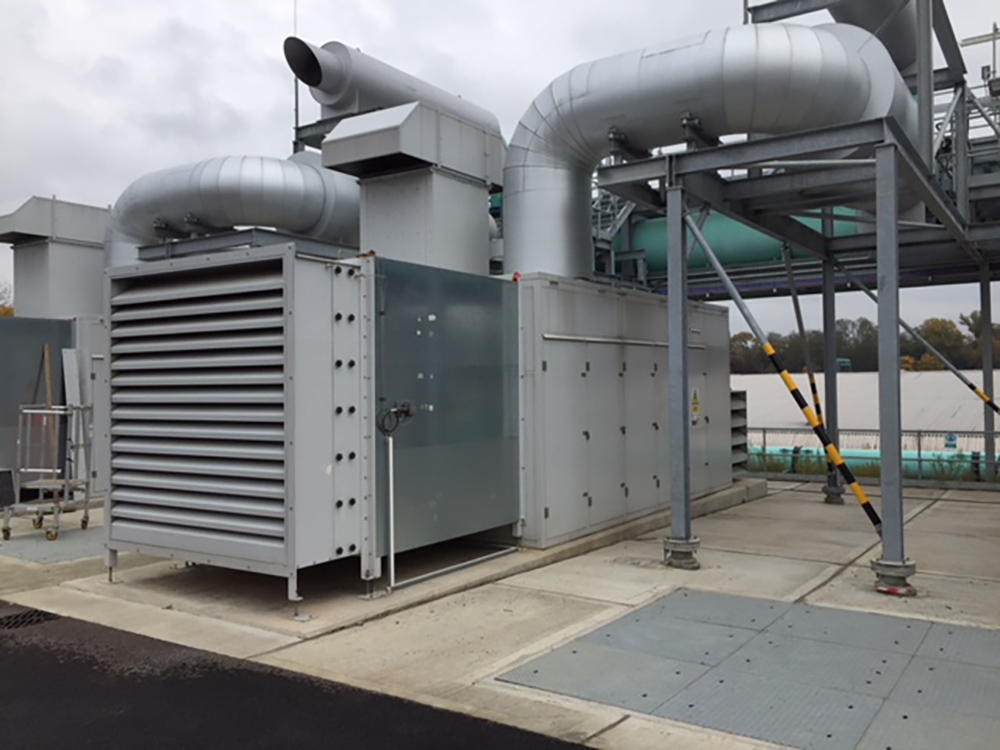
When implementing noise control solutions, businesses must carefully balance the initial costs with the long-term benefits. Some solutions, such as acoustic enclosures, plant screens, or noise havens, can require significant upfront investment in terms of both materials and installation. However, these initial costs can often be offset over time by the substantial long-term savings they provide. For instance, reducing excessive noise can lead to fewer health issues among workers, such as hearing damage, stress, and fatigue.
Moreover, noise control solutions help ensure compliance with workplace noise regulations, avoiding potential fines. Businesses can also benefit from improved worker productivity and morale, as a quieter work environment can enhance focus, communication, and overall job satisfaction. Additionally, noise mitigation can help businesses maintain positive relationships with the surrounding community by minimising noise disturbances that could lead to complaints.
In many cases, the return on investment from noise control solutions extends beyond immediate cost savings and can lead to enhanced operational efficiency and a better workplace environment. Therefore, when considering noise control options, businesses should weigh not only the upfront cost but also the long-term economic and social benefits that these solutions can bring.
At Wakefield Acoustics, we specialise in providing tailored industrial noise control solutions to businesses across a range of industries. Whether you’re looking for acoustic blankets, custom noise barriers, or a complete noise control system, we have the expertise and products to help you create a safer and quieter environment.
We work closely with clients to understand their specific needs and provide custom solutions that meet both their operational requirements and regulatory obligations. If you have any questions or would like more information on our products and services, please contact us today at +44 (0) 1924 418 940 or email via noise@wakefieldacoustics.co.uk.
Get In Touch
Engineering excellence in designing, manufacturing and installing industrial, commercial and environmental noise control products and systems.
Noise is an unavoidable by-product of many industrial and commercial environments. Whether it’s machinery in manufacturing plants, ventilation systems in commercial spaces, or equipment in warehouses, managing noise levels is essential for the comfort, safety, and productivity of employees. One popular solution for industrial noise control is the use of acoustic blankets.
But are these blankets worth the investment for commercial use? Let’s explore how they work and the benefits they bring to your business.
What Are Acoustic Blankets?
Acoustic blankets are a versatile noise control solution, typically used as a covering for equipment and machinery to reduce emitted sound. They are an ideal choice for environments where noise control solutions are required, but where permanent fixtures like acoustic screens or enclosures may not be suitable.
At Wakefield Acoustics, we supply acoustic blankets designed to offer flexibility and convenience. These soundproof blankets are lightweight, easy to install and remove, and can be fitted with velcro strips or eyelets for to allow the formation of full acoustic jackets.
How Do Acoustic Blankets Work?
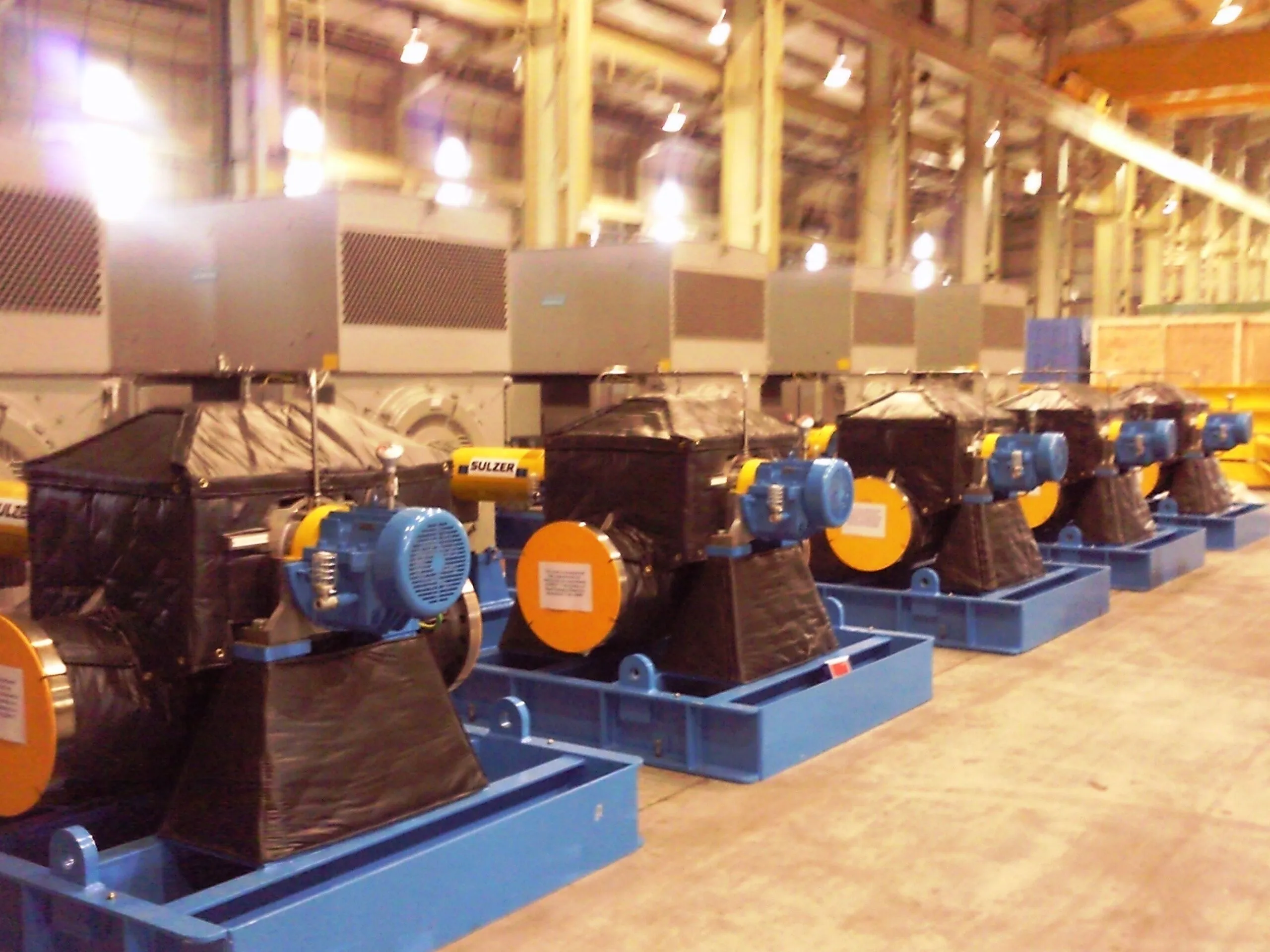
Acoustic blankets are typically made up of a mass barrier core and acoustically absorbent insulation, all encased in a flexible, PVC-coated polyester sheet. This construction ensures that the blanket is both durable and effective at reducing noise levels.
When wrapped around machinery, acoustic blankets provide noise reduction through the mass loaded barrier, and absorbent inner layer providing absorption, making them an ideal solution for industrial noise control in areas where noise levels need to be reduced, but not entirely eliminated. They offer a more flexible alternative to fixed acoustic enclosures, as they are lightweight and can be easily adjusted or relocated. However, acoustic blankets for soundproofing generally provide a lower level of noise reduction compared to more permanent solutions like acoustic plant screens or enclosures.
This makes them an excellent choice for applications where minimal noise reduction is needed, such as around equipment like pumps, compressors, and fan casings in industrial workspaces. In industries like manufacturing, construction, and water treatment, acoustic blankets provide a cost-effective solution to help control noise without extensive installation work.
Benefits of Acoustic Blankets for Commercial Use
1. Flexibility and Convenience
One of the standout advantages of acoustic blankets is their flexibility. Unlike rigid soundproofing solutions, acoustic blankets are lightweight and portable, allowing them to be moved or adjusted as needed. This is especially useful in oil and gas and petrochemical industries where access to machinery and equipment needs to be maintained without compromising noise control.
The ability to easily remove and reattach the blankets means that businesses can quickly adapt to changing noise control requirements. This flexibility also makes them ideal for environments where noise control solutions are needed temporarily.
2. Cost-Effective Solution
When compared to more permanent noise control solutions, acoustic blankets provide a much more affordable and accessible option. They offer a lower upfront cost while still delivering effective sound reduction in many industrial applications. For businesses looking to comply with the Control of Noise at Work Regulations in the UK, acoustic blankets are a great alternative.
Their lightweight design makes them easy to install and remove, reducing the need for complex or expensive installations, which is particularly important for businesses with budget constraints or limited space.
3. Easy to Install and Maintain
Acoustic blankets are straightforward to install and require minimal maintenance. Their simple attachment mechanisms, such as Velcro strips or eyelets, allow for quick setup and adjustments. This ease of use can save businesses time and reduce operational downtime during installation.
4. Customisable for Specific Applications
Each industrial application has unique noise control needs, and acoustic blankets offer a customisable solution. They can be tailored to wrap around machinery with complex shapes, such as pumps, fans, or large pieces of equipment, making them particularly useful when noise comes from a variety of sources with different shapes and sizes.
For more complex applications, acoustic blankets can be combined with other noise control products such as acoustic enclosures to create a comprehensive solution for larger-scale noise issues.
5. Improved Compliance with Noise Regulations
As businesses are required to comply with the control of noise at work regulations to ensure a safe and productive environment, acoustic blankets help businesses stay compliant. By using acoustic blankets, companies can also help to meet the required noise reduction levels set by local authorities.
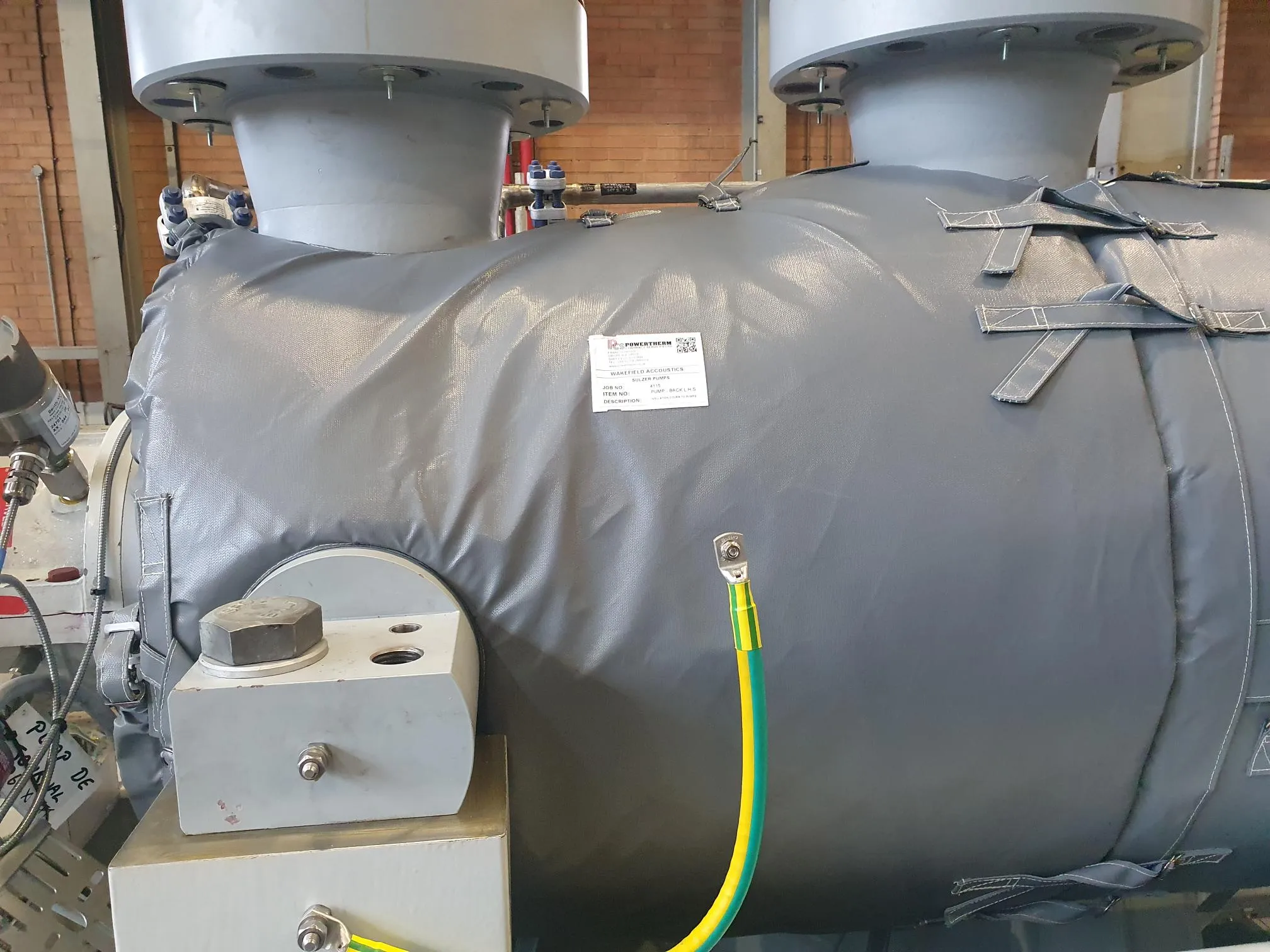
In summary, acoustic blankets are a versatile, cost-effective, and flexible solution for businesses looking to manage noise in commercial and industrial settings. Whether used for temporary or long-term applications, they provide an effective method for reducing noise from machinery, meeting noise control regulations, and improving workplace comfort.
At Wakefield Acoustics, we offer a wide range of industrial noise control solutions and services designed to meet the specific needs of your business. From acoustic consultancy services to installation services, we provide tailored solutions to help you manage industrial noise and maintain a safe and productive environment.
If you’re looking for an effective, affordable solution to manage industrial noise, contact us today.
Get In Touch
Engineering excellence in designing, manufacturing and installing industrial, commercial and environmental noise control products and systems.
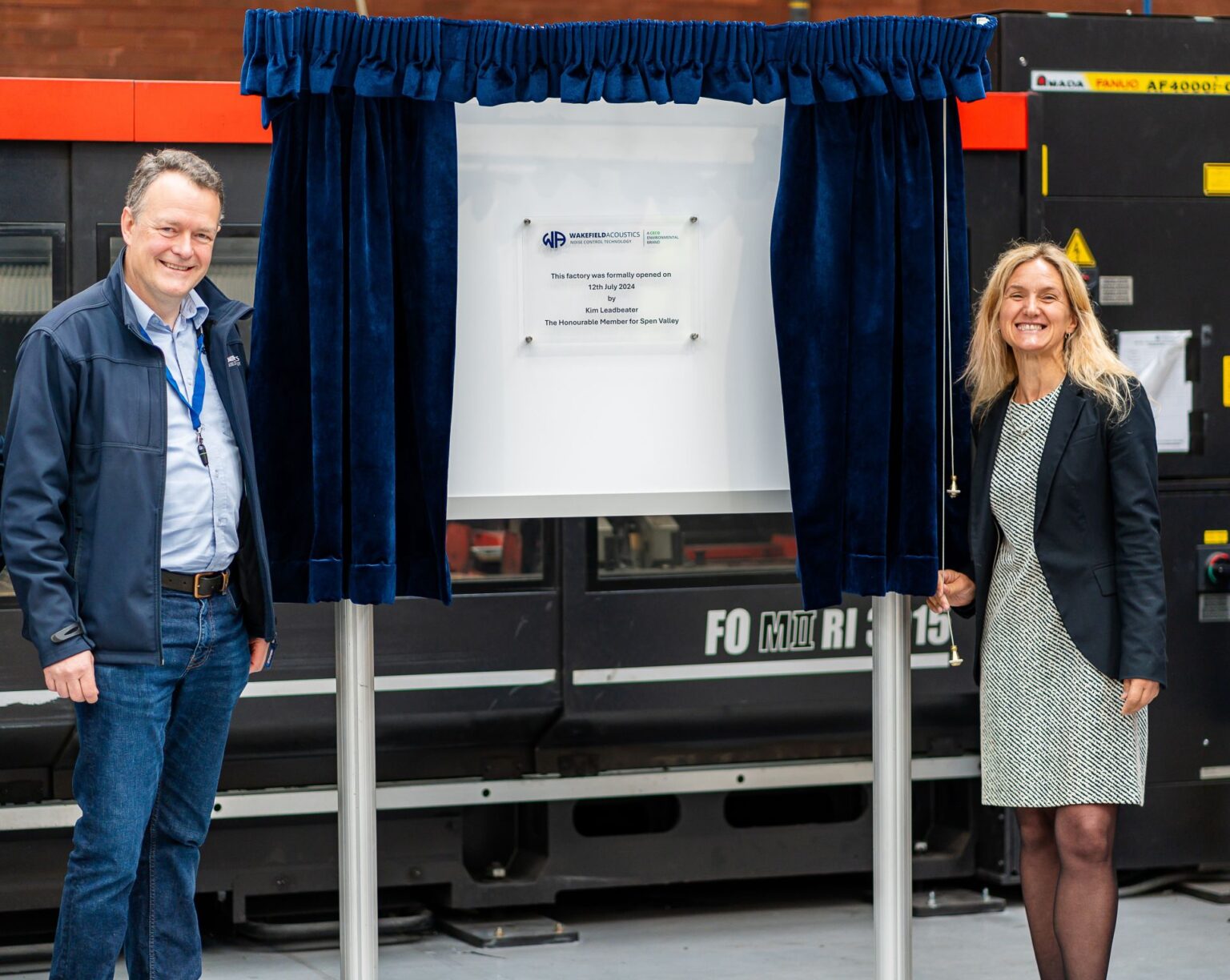
We are excited to announce the official opening of Wakefield Acoustics’ second manufacturing facility!
On Friday, July 12th, 2024, our new production facility was officially opened by Kim Leadbeater MP, the esteemed Member of Parliament for Spen Valley. Although we have been operational for several months, this event was a wonderful opportunity to celebrate this significant milestone in the growth of Wakefield Acoustics.
The new site, spanning an impressive 55,000 sq. ft., provides additional manufacturing and assembly space for our range of industrial noise control products. This expansion allows us to centralise the fabrication of acoustic containers at our Flush Mills facility, while dedicating the new Union Mills facility to traditional industrial acoustic solutions.
The Evolution of Wakefield Acoustics
Managing Director Kevin Still kicked off the event, highlighting the evolution and continued growth of Wakefield Acoustics over our 44-year history. He shared insights into our ongoing expansion into new and larger production facilities, a testament to our commitment to innovation and excellence in noise control solutions.
A heartfelt thank you goes out to the entire Wakefield Acoustics team, our suppliers, and contractors who played a crucial role in making this transition seamless and successful. Your hard work and dedication have been instrumental in reaching this milestone.
Get In Touch
Engineering excellence in designing, manufacturing and installing industrial, commercial and environmental noise control products and systems.
Noise control for standby power is a critical aspect, especially when the main drivers (usually diesel engines in the case of UK data centres) generate very high levels of noise.
Interpretation of noise regulations and specifications
Requirements for the noise emissions from standby power plants differ from project to project, guided by the Control of Noise at Work Regulations, noise impact assessments in line with BS4142, and regional project planning advice and guidelines. Whilst standby diesel generators operate only in an emergency, their intermittent operation still needs to ensure the health and safety of nearby workers and ensure minimal impacts to neighbouring properties.
Every element of Design and Layout
Planning at the outset of a project is essential, and every avenue to reduce environmental noise impacts should be considered:
- Can the noise source be relocated?
- Are there any natural physical barriers between the source and receiver?
- Specification for noise control measures to be incorporated into the design at the earliest opportunity
- Are there multiple noise sources and noise paths?
Acoustic Testing
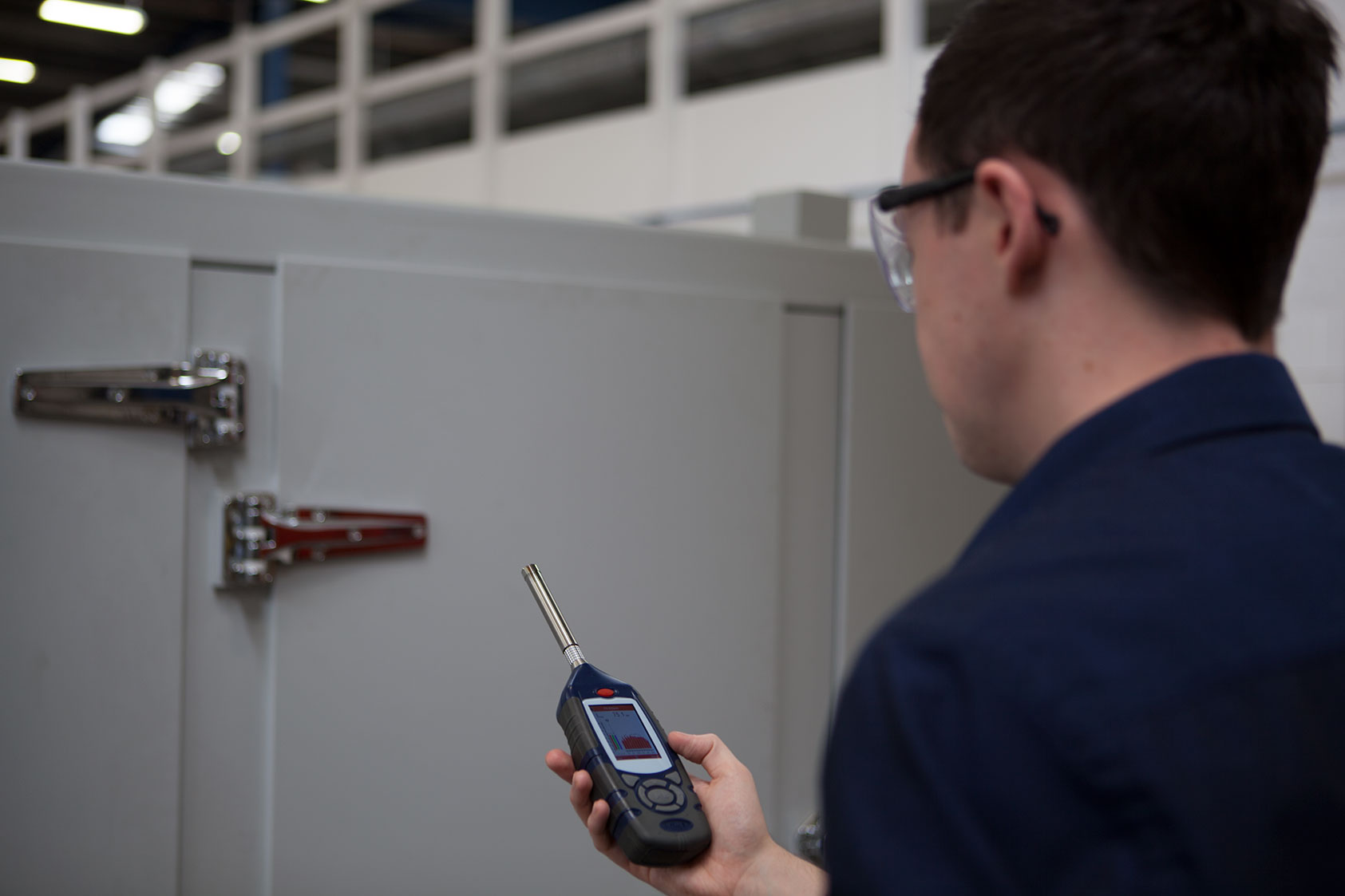
Whilst the calculations and design may prove intent to comply with project requirements, the proof of concept is determined at the point of a FAT (factory acceptance test), or SAT (site acceptance test).
The procedure for acoustic testing of large power plants needs to be carefully planned and recorded. Quite often, additional noise sources are present at the point of testing, and therefore detailed background measurements are equally as important as measurements with equipment in operation.
Singular point measurements rarely provide the required level of detail for such large installations, and a series of readings is usually required, with a detailed calculation to determine overall averaged results, background corrected.
Troubleshooting and on-site ‘snagging’
Whilst 99% of installations go without noise problems when correctly designed, some acoustic weak points can be introduced to projects during installation. If you have noise problems at site on a standby power project, problem areas can be around:
- Acoustic sealing: ensure all apertures are fully closed off and insulated to the same specification as the engine housingy
- Background noise: is background noise contributing to the levels being measured with equipment in operation?
- Structure-borne noise and vibration: with the best acoustic designs to reduce airborne noise, poor selection of antivibration mounts, and little consideration of hard-fixing pipework and cable trays to an acoustic container can compromise the acoustic integrit
If you have any questions or would like more information on our products and services, please contact Wakefield Acoustics at +44 (0) 1924 418 940 or email via noise@wakefieldacoustics.co.uk.
Get In Touch
Engineering excellence in designing, manufacturing and installing industrial, commercial and environmental noise control products and systems.
Wakefield Acoustics has experience in various industries and applications, helping to diagnose and remedy environmental noise issues. Assessment of environmental noise impacts is a relatively straightforward process for an experienced acoustic consultant or noise control engineer. However, uncertainties can be brought about by the effects of the weather during noise surveys.
Weather conditions can significantly impact noise survey results and we have outlined the effects of different weather we experience in the field of industrial noise control.
Wind
Wind direction and speed are important factors in how sound travels. When there are strong winds, sound waves can travel further and go around obstacles, which can make the noise louder at certain points. The wind can also make sound waves bend, making it harder to determine where the noise is coming from.
Rain
Another factor is rain, or roads that are wet. Rainy conditions can elevate background noise levels, therefore masking the impact of underlying industrial noise, that is otherwise present and causing nuisance on warm and dry days.
Alternatively, if background noise levels are taken during wet conditions for a new development, this can lead to an incorrect initial assessment, putting the developer at risk of future complaints
Temperature
Temperature fluctuations can impact the density and thickness of air, which consequently affect the transmission of sound. When the air is colder, it becomes denser, enabling sound waves to travel with greater efficiency and potentially leading to higher levels of noise.
Snow
Fresh, powdery snow is a porous substance, and as such, sound waves are ‘absorbed’ into the snow which can provide some level of masking of noise from nearby sources. As the snow becomes more compact, it reflects more light. This causes sound waves to bounce off the surface of the snow, which can create echoes and louder noises.

What are the ideal weather conditions for noise surveys?
The ideal weather conditions for industrial noise assessments are dry, calm, and cool. Acoustic consultants should avoid conducting surveys during heavy rain or snow and in a relatively sheltered location.
The basis of a good design solution is the source data and target noise levels, which need to be assessed without the effects of increased background noise due to inclement weather.
Industrial Noise Control
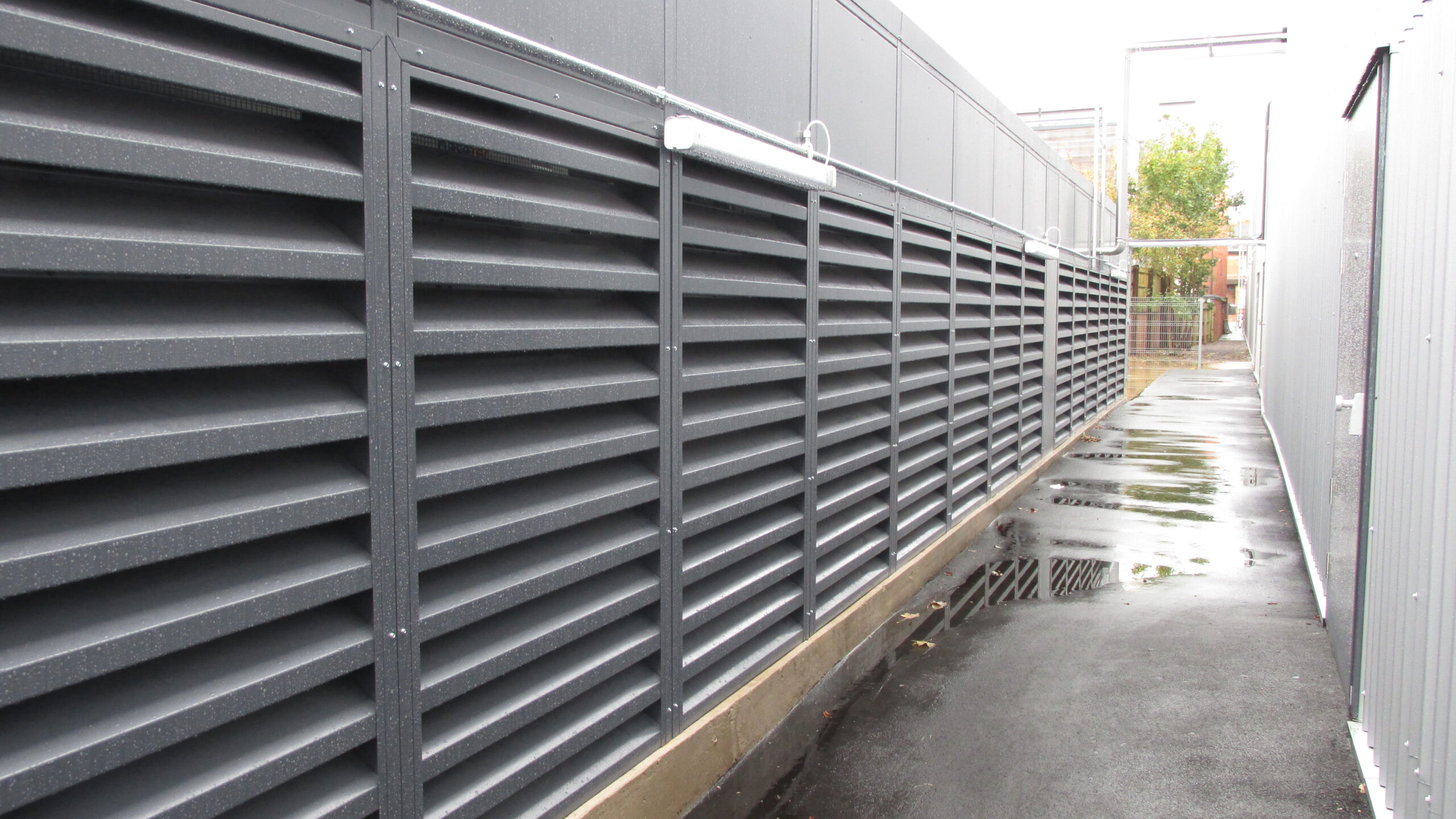
Environmental noise from industrial sources can usually be resolved by the implementation of a variety of measures depending upon application, in the form of acoustic screens, acoustic louvres, acoustic enclosures or attenuators.
If you have any questions or would like more information on our products and services, please contact Wakefield Acoustics on 01924 418 940 or email via noise@wakefieldacoustics.co.uk.
Get In Touch
Engineering excellence in designing, manufacturing and installing industrial, commercial and environmental noise control products and systems.
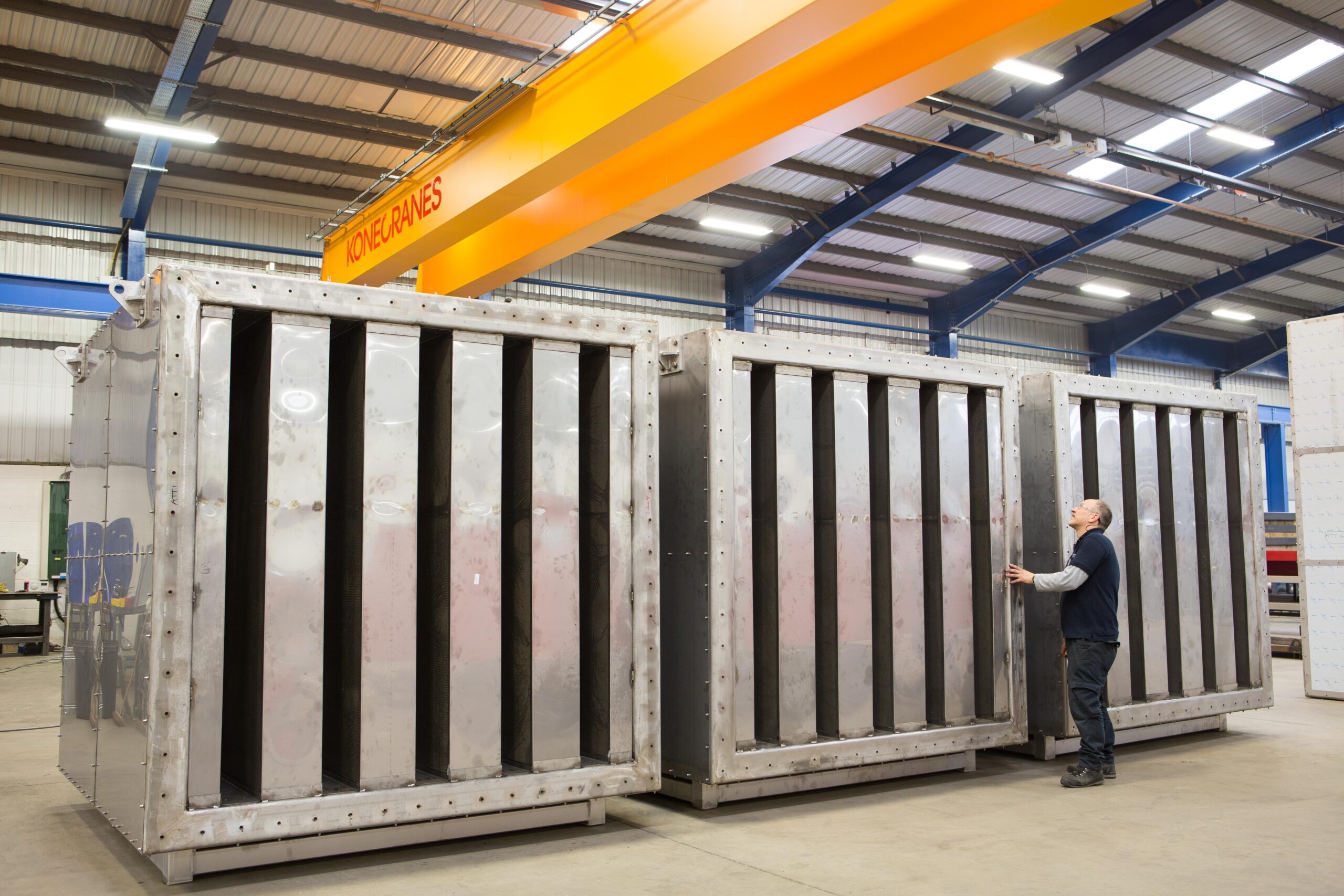
Whilst the humble sound attenuator may be a relatively simple product, it carries a degree of complexity in its design.
How do splitter attenuators work?
When addressing noise control problems, we often need to implement a combination of measures for acoustic enclosures and ventilation attenuators. To the layperson, it is quite easy to imagine how an acoustic enclosure or acoustic panel system works, in that this is a physical barrier blocking the line of sight and providing some mass between the source and receiver to reduce noise. However, when considering an acoustic splitter attenuator with open airways, the fact you can see the noise source from one end yet still achieve a high level of noise reduction can be difficult to comprehend.
What is an attenuator?
An attenuator comprises of an outer casing, usually steel, though can be any opening for ventilation, (eg. concrete shaft/tunnel or builders work), with a number of ‘splitters’ or ‘baffles’ arranged symmetrically. These splitters are essentially individual casings filled with an acoustically absorbent media (eg. mineral fibre, fibreglass or acoustic foam), and usually with a perforated steel sheet to provide some resistance to impacts, whilst allowing a good open area to retain the acoustic properties of the retained materials. A typical attenuator will comprise multiple acoustic splitters and airways.
As sound waves pass along the length of the attenuator, they are absorbed into the acoustic insulation with the sound energy converted into tiny amounts of heat energy. The combination of the number and size of acoustic splitters and airways allows the acoustic performance of the attenuator to be varied to meet the required noise reduction.
There are several key rules in selecting the best attenuator for the job:
- Thicker splitters for low-frequency noise reduction, thinner splitters for high-frequency
- The higher the free area (e.g. the ratio of airway area vs. splitter area), the lower the performance
- The longer the attenuator, the better the performance
Do splitter attenuators affect airflow?
When installing any item, including a splitter attenuator, into a duct or shaft used for airflow it increases the pressure in the system. This is particularly important when considering a retrofit solution, as any additional pressure will result in a corresponding reduction in airflow. Therefore, when selecting and designing attenuators it is just as important to design correctly for airflow as it is for acoustics.
With the number of factors involved, the design and selection of attenuators for ventilation systems can be a challenge to meet acoustic and aerodynamic parameters, whilst also checking that the physical size can be accommodated.
Should you have a requirement for the design and supply of industrial splitter attenuators or our other range of noise control products, please contact us.
If you have any questions or would like more information on our products and services, please contact Wakefield Acoustics on 01924 418 940 or email via noise@wakefieldacoustics.co.uk.
Get In Touch
Engineering excellence in designing, manufacturing and installing industrial, commercial and environmental noise control products and systems.
Understaning Noise Pollution & The Role of Acoustic Enclosures
Noise pollution is an increasingly troublesome issue in the modern world, but acoustic enclosures can help reduce the problem. If you are living or working in a city or industrialised area, the sound of machinery, vehicles, industrial processes or plant items serving our modern buildings, has become an everyday part of life.
True peace and quiet doesn’t need to be a thing of the past however, as acoustic enclosures offer a wide range of benefits to give you a reprieve from the daily problem of unwanted noise. At Wakefield Acoustics, we offer a wide range of acoustic products and understand the intrinsic value enclosures provide.
What are acoustic enclosures?
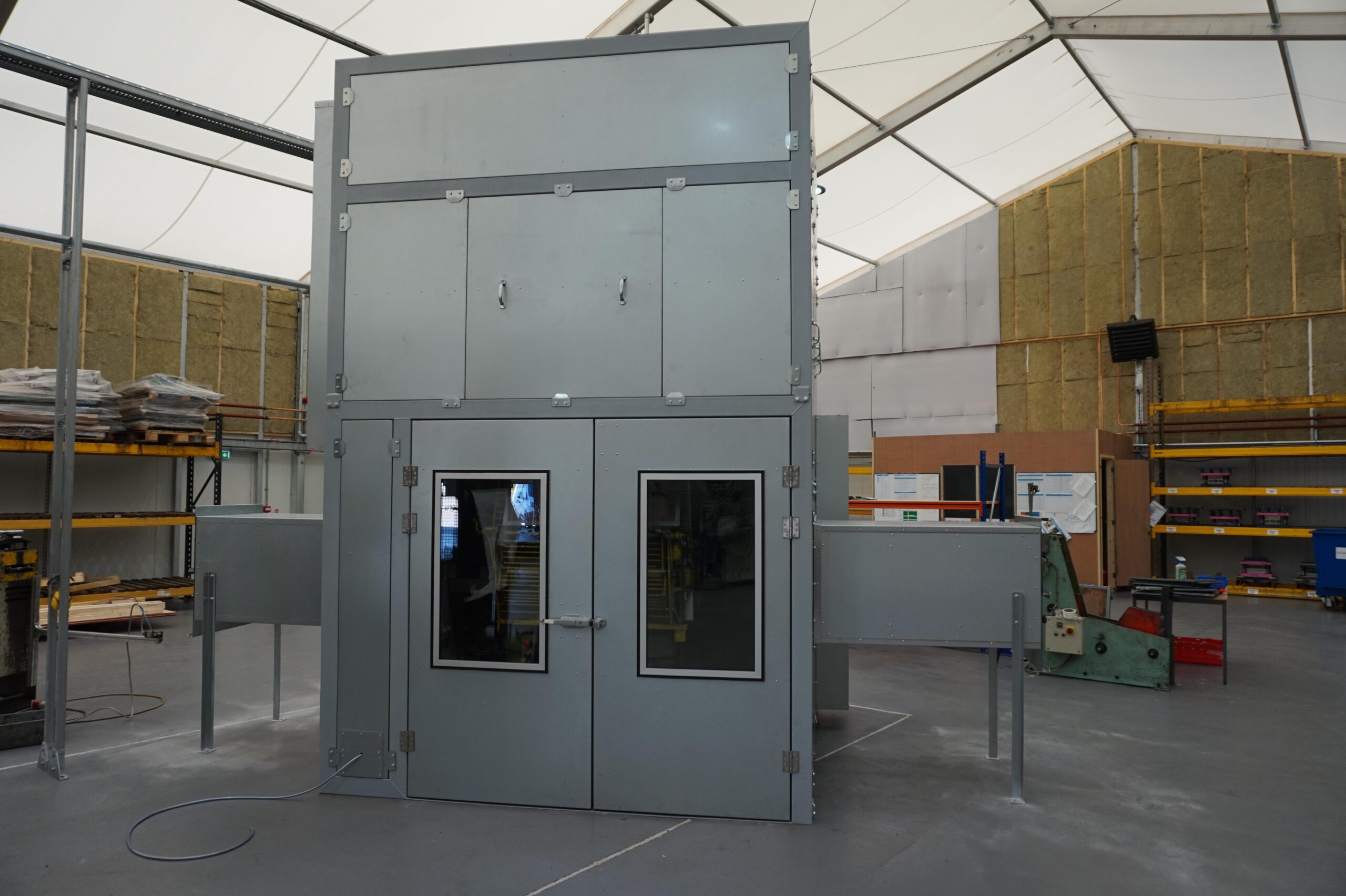
Acoustic enclosures are specialised structures designed to contain and reduce the noise generated by industrial equipment, machinery, processes, or any noise-producing activity.
These enclosures are constructed using sound-absorbing materials and engineering techniques to create a controlled environment that significantly reduces the propagation of unwanted noise.
The Benefits of Acoustic Enclosures:
Noise Reduction
The most obvious benefit of acoustic enclosures and their primary function is of course noise reduction. By enveloping noisy equipment or processes within a specialised enclosure, noise reduction is achieved through a combination of absorption and sound reduction. This does not reduce the acoustic output from the machine, though correct design and selection of an enclosure is an effective solution leading to a quieter and more peaceful environment.
Regulatory Compliance
Noise regulations and standards are becoming increasingly stringent across the globe. Failure to comply with these regulations can result in heavy fines and legal complications.
Acoustic enclosures offer industries a proactive approach to staying compliant with noise regulations, avoiding potential legal pitfalls, and ensuring smooth operations without interruptions from regulatory authorities.
Improved Employee Wellbeing
Exposure to high levels of noise can have adverse effects on workers’ health, leading to stress, hearing impairment, and even cardiovascular issues. Acoustic enclosures play a crucial role in protecting employees from the harmful effects of noise pollution.
By creating quieter working environments, these enclosures contribute to enhanced well-being, increased job satisfaction, and improved productivity among employees.
Machine Isolation
Whilst the primary function of an acoustic enclosure is noise reduction, they can also serve as a physical barrier to prevent operators coming in contact with hazardous industrial machinery.
Versatility and Customisability
Acoustic enclosures come in various sizes and configurations, allowing end-users to tailor solutions to their specific needs.
Whether it’s a large industrial generator or a manufacturing process, these enclosures can be designed to accommodate different equipment types and sizes, ensuring seamless integration into existing infrastructure
Environmental Benefit
Beyond their immediate advantages for industries and workers, acoustic enclosures also contribute to environmental conservation. Quieter operations result in reduced noise pollution, which has a positive impact on local ecosystems and wildlife.
Additionally, some industries with noise-sensitive processes, such as renewable energy installations or wastewater treatment facilities, can coexist more harmoniously with their surroundings thanks to the implementation of these enclosures.
Long-term Cost Savings
While the initial investment in acoustic enclosures may seem significant, the long-term cost savings they offer can be substantial. Reduced noise-related health issues, improved efficiencies arising from satisfied staff, and the avoidance of regulatory fines all contribute to a healthier bottom line.
Moreover, improved operational efficiency and extended equipment lifespans can result in a solid return on investment over time.
If you have any questions or would like more information on our products and services, please contact Wakefield Acoustics on 01924 418 940 or email via noise@wakefieldacoustics.co.uk.
Get In Touch
Engineering excellence in designing, manufacturing and installing industrial, commercial and environmental noise control products and systems.
Understanding The Importance of Reducing Noise Pollution
Noise pollution is a significant concern across the UK, impacting the well-being of individuals and the environment. To tackle this issue, legislation and guidelines are in place in order to protect the quality of life for the public and workforce alike.
At Wakefield Acoustics we understand the importance of industrial noise control solutions such as acoustic enclosures, acoustic screens and acoustic containers. For businesses, getting to grips with the regulations will provide peace of mind that you are doing your duty to protect your employees and the quality of life for your neighbours.
The Control of Noise at Work Regulations 2005
For workers and employers, the Control of Noise at Work Regulations 2005 are in place across the UK. These regulations aim to protect employees from excessive noise exposure in the workplace. Under these codes, employers are legally obligated to assess and control the risks related to noise in the workplace.
The regulations specify the following legal requirements:
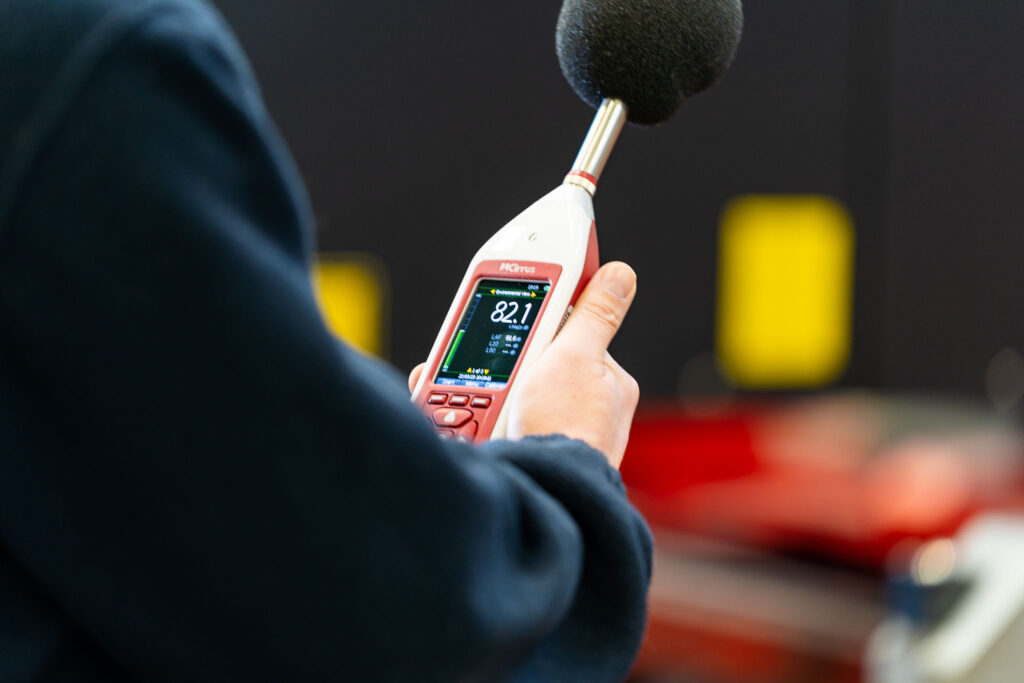
- Noise Assessments: Employers must conduct regular noise assessments to identify areas and job roles where noise exposure exceeds the exposure action values (EAVs) or peak action values (PAVs). These assessments help determine necessary control measures to minimize exposure. Exposure Action.
- Values (EAVs): The regulations define two exposure action values. The lower EAV is set at a daily or weekly personal noise exposure of 80 decibels (dB). The upper EAV is 85 dB. Employers must take action to reduce noise exposure if employees reach or exceed these values.
- Hearing Protection: If noise levels reach or exceed the upper EAV, employers must provide suitable hearing protection to employees and ensure its proper use. Employers should also inform and train employees on the importance of hearing protection and its correct usage.
- Health Surveillance: Employers must establish health surveillance programs for employees exposed to high noise levels. These programs monitor employees’ hearing and detect early signs of hearing loss.
Environmental Noise Regulations and Legislation
The effects of environmental noise on health is an area of continued development and research, with varied types of noise ‘sources’ creating the potential for disturbance including transportation and industrial noise, and more latterly, wind farms. In fact, as recently as January 2023, the House of Lords Science and Technology Committee launched a new inquiry into the impacts of artificial light and noise on human health, and the WHO issued a series of Environmental Noise Guidelines for the European Region in 2019.
These guidelines also sit alongside other UK policies including the Environmental Noise Regulations, Noise Policy Statements and the Environmental Protection Act. For the assessment of industrial noise on the surrounding areas, BS4142 is commonly used, as are the Observed Effect Levels (NOEL – no effect, LOAEL – lowest observed effect level, SOAEL – significant observed effect levels).
Key elements of environmental noise regulations and guidelines include:
- Noise Assessment and Reporting: Onus on operators of noisy premises to conduct noise assessments to determine the noise levels generated by their activities
- Legal Noise Limits: Local permitting under environmental noise guidance can set legally permissible noise limits for different time periods, such as daytime, evening, and night. These limits vary depending on the type of area (e.g., industrial, residential, or commercial).
- Noise Mitigation and Management Measures: Operators of premises must take appropriate measures to minimize noise emissions. This may include using quieter equipment, implementing noise barriers, or adhering to specific operating hours.
- Complaints and Enforcement: Individuals affected by excessive noise can file complaints with the appropriate environmental health authority. These authorities have the power to enforce compliance, issue notices, and take legal action against non-compliant parties.
Understanding and complying with noise regulations is crucial for both employers and operators of premises in the UK. By adhering to the Control of Noise at Work Regulations 2005 and environmental noise regulations, businesses can protect the hearing health of their employees and reduce noise pollution in the surrounding areas.
This blog post provides an overview of noise regulations in the UK up until 2022. It is not intended as legal advice, and readers should consult relevant laws, regulations, and legal professionals for specific guidance.
Get In Touch
Engineering excellence in designing, manufacturing and installing industrial, commercial and environmental noise control products and systems.
It has long been considered that Combined Heat and Power (CHP) is a more efficient process than traditional heat generation plants. CHP systems generate power typically by a main driver, and use the thermal energy produced to provide heat to buildings or other processes requiring such heat. CHP plants can use natural gas, biogas, biomass and even general household waste (in the form of EfW plants) as a source of fuel, with a main driver converting the fuel into power. This heat produced in the process would otherwise be wasted when generating electrical or mechanical power. The heat demanded in normal circumstances would have to be met with further fuel being burnt.
Installing New CHP Systems
Whilst the installation of new CHP systems may have been relatively flat over recent years, due to current energy price concerns, global market reports would seem to indicate growth in this sector over the coming years. Significant savings can be realised following the installation of CHP systems for energy-intensive sites such as hospitals, heavy industry, leisure centres, universities etc.
Noise Control Solutions
Noise is an important consideration when planning the installation of any CHP plant. CHP systems utilise machinery giving the potential for hearing loss for nearby workers, along with environmental noise affecting local neighbours. To this end, it is a normal requirement for operators and end users to provide some level of noise control for the CHP plant.
Sector Applications
CHP is one of the many industries served by Wakefield Acoustics, and further details of our products and services can be found by contacting our sales office.
Should you wish to find out more about our products and services, please call the office, or drop us an email at noise@wakefieldacoustics.co.uk
Wakefield Acoustics has extensive experience in providing bespoke solutions for general industrial applications:
Get In Touch
Engineering excellence in designing, manufacturing and installing industrial, commercial and environmental noise control products and systems.